In diesem Portal erhalten Sie auf über 1000 Seiten mit über 2000 Bildern Informationen zu den Themen richtig Renovierung, z. B. Feuchtigkeit im Mauerwerk. Bei einer richtigen Bauweise gibt es keine Schimmelpilze an der Wand. Das Gleiche gilt für die Wachstumsbedingungen für den Echten Hausschwamm und andere Holzschädlinge. Sie erfahren hier wichtige physikalische und chemische Eigenschaften von Baustoffen sowie Baukonstruktionen, z. B. Mauerwerksbau mit ihrer guten Wärmespeicherung oder die Vorteile des Trockenbaus mit Gipsplatten.
Visuell nehmen wir dies jeden Tag wahr, wie hat der Baumeister bzw. Architekt das Gebäude projektiert oder wie haben die Handwerker das Projekt ausgeführt. Jeder Bewohner bzw. Benutzer hinterlässt Spuren seiner Benutzung, in der Auswahl des Designs der Räume und der Einrichtungsgegenstände sowie in der Art und Weise der Nutzung der Räume bzw. des Bauwerks.
Die visuellen Eindrücke nimmt man nicht nur mit den Augen, sondern auch mit dem Gefühl war und bildet sich eine Vorstellung und Meinung zum bisherigen Nutzer bzw. zum Erbauer des Gebäudes. Es werden aber auch energetische Informationen im Gebäude gespeichert, welche je nach der Qualität des Bewusstseinszustandes des beseelten Menschen wahrgenommen werden.

Den größten Teil unserer Lebensenergie nehmen wir von der Natur auf und den kleineren Teil über die tägliche Ernährung. Eine direkte Anbindung zu den 4 Elementen, bestehend aus Feuer, Erde, Wasser und Wind, hat für uns eine sehr hohe lebenswichtige energetische Bedeutung. Die heutige Wissenschaft beruht auf vier extreme Verallgemeinerungen, wie Energie, Materie, Raum und Zeit. Es ist also sehr wichtig, wie und in welchem Gebäude wir wohnen und arbeiten. Unser Torusfeld ist über das Gebäude direkt mit dem Torusfeld der Erde verbunden, mehr hierzu im Artikel "Der Einfluss der Baustoffe auf das Energiefeld der Menschen".
Modernste Siedlungs- und Bauweisen und die vorgeschriebenen "energetischen" Sanierungen der Wohngebäude im Bestand, dienen "zum Schutz des Klimas" (einem statistischen Mittelwert). Aber auch die technischen Anlagen der alternativen Energiegewinnung, koppeln uns, die Flora und Fauna immer mehr von den natürlichen Energiequellen ab. Gehen Sie in den Wald und umarmen Sie einen Baum und Sie werden seine Energie spüren (Wiedererlangung der Naturverbundenheit).
Architekten und Planer haben existenzbezogen etwa 27.000 Bauvorschriften einzuhalten. Es ist kaum erkennbar, dass diese im Zusammenhang mit vielen anderen langfristig geplanten Maßnahmen zur Entstehung von Krankheiten und einer vorzeitigen Alterung der Bewohner dienen. Die Neue Weltordnung orientiert auch bei der Errichtung und Modernisierung der Bauwerke auf eine völlige Technikabhängigkeit.
Die Unternehmen wurden bisher mit immer mehr verwaltungstechnischen Maßnahmen beschäftigt, damit sinkt der Anteil des eigentlichen Wertschöpfungsprozesses des Unternehmens. Das neue Lieferkettengesetz ist so eine weitere Maßnahme, wo man so gut wie jedes kleinere Bauunternehmen vom Markt verdrängen kann.
Es ist erstaunlich, wie wenig Strategieplaner bisher die künftige Entwicklung auf der Erde verstanden haben. Sie befassen sich immer noch mit dem gegenwärtigen Überhang an Nachfrage an Immobilien, dem Fachkräftemangel in der Baubranche, hohe Materialkosten, träumen von einer menschengemachten Klimaerwärmung und von einer mit Elektronik (Elektrosmog) vollgestopften Aufbewahrungsstätte für Zweibeiner, welche als Wohnung bezeichnet wird. Die Bevölkerungszahl auch in Europa wird in der nächsten Zeit dramatisch zurückgehen. Nach den Maßnahmen der letzten Jahre zur Erhaltung der Volksgesundheit können die in der Deagel Liste genannten Zahlen Wirklichkeit werden. Man sollte sich lieber bereits heute darüber Gedanken machen, wie ein sinnvoller Rückbau der großen Städte erfolgt und wie eine künftige dezentrale Besiedlung mit einer guten Infrastruktur und im Einklang mit der Natur aussehen sollte. Einige ausgewählte Gedanken sind im Artikel "Welche Wohnhäuser werden in der Zukunft noch benötigt?" aufgeführt.
Hier ein Beispiel der kunstvollen historischen Holzhäuser, aber ebenso sehr schöne historische Holzhäuser findet man überall in Europa, besonders im Alpenraum. Wobei in Deutschland Stein- und Lehmhäuser sowie das Fachwerkhaus dominierten und ebenso eine große energetische und informative Anbindung zur Natur, zu unserer Erde haben. Bei diesen Gebäuden werden Sie bei richtiger Nutzung nur selten Schimmel an der Wand vorfinden.

Speziell für die Bauherren habe ich Handbücher als eBooks (siehe rechte Spalte) zu den Themen zur Feuchtigkeit im Mauerwerk sowie Kellertrocknung, schwarzer Schimmel in der Wohnung und zum Dachgeschossausbau selbst ausbauen geschrieben. Die eBooks beinhalten zusätzliche Tools und Links zu dieser Webseite, sodass Ihnen aktuell die entsprechenden themenbezogenen Informationen ohne lange suchen zur Verfügung stehen.


Heute wird darunter die Errichtung von Passivhäusern, Plusenergiegebäude, besonders energieautarke Effizienzhäuser und natürlich eine energieeffiziente Sanierung verstanden. Statt in lebendigen Häusern dürfen heute die Menschen nur noch in energetisch toten Gebäuden wohnen, welche nicht mehr mit der Natur und der Mutter Erde verbunden sind. Gebäude, welche vorwiegend aus künstlichen Baustoffen bestehen und vollgestopft mit Fremdenergie sind. Mehr zu diesem Thema finden Sie in der rechten Spalte "Aktuelle Artikel".

2020 waren in der Baubranche 800.000 Mitarbeiter beschäftigt. Der Umsatz im Bauhauptgewerbe sollte 2020 voraussichtlich um 3 Prozent auf 139 Milliarden Euro wachsen. Für 2021 wurde ein weiterer Anstieg prognostiziert, speziell für den Wohnungsmarkt um weitere 3 Prozent mit einem Umsatz von etwa 53 Milliarden Euro.
Es gab jedoch politische und wirtschaftliche Veränderungen welche ab 2022 deutlich sichtbar wurden. Aufgrund der hohen Baukosten und Zinsen sank im Juli 2023 gegenüber dem Vorjahr die Zahl der bewilligten Wohnungen um fast ein Drittel (31,5 Prozent). Bei den Einfamilienhäusern gab es in den ersten 7 Monaten 2023 ein Rückgang der Genehmigungen um 36,5 % und bei Zweifamilienhäusern um 53,2 %.
Die bisherigen Verfahren der Wertschöpfung verändern sich, sodass eine Zentralisierung nicht mehr erforderlich ist. Die Ballungszentren und Großstädte verlieren an Bedeutung. Es wird eine Rückbesinnung an die ländliche Besiedlung und Kleinstädte erfolgen. Diesem künftigen Trend muss sich das künftige Baugeschehen anpassen.
In der Vergangenheit wurden "lebendige" Gebäude errichtet, welche einen ausreichenden Schutz vor den Wettereinflüssen geboten haben. Sie schützten bzw. schadeten nicht die Gesundheit der Bewohner, da eine optimale Übereinstimmung der Frequenzen der Menschen mit dem Gebäude und der Erde bestand.
Es wurden unter anderem die örtlich zur Verfügung stehenden natürlichen Baustoffen (Holz, Lehm, Stroh, Steine, Kalkfarbe usw.) für die Errichtung der Häuser verwendet. Diese ermöglichten einen geschlossenen Stoffkreislauf auf niedrigem Niveau. Ein ebenso wichtiger Punkt ist das soziale Gefüge und die Lebensweisen der Bevölkerung, wie z. B. auf der griechischen Insel Ikaria, Sardinien (Italien), Okinawa Japan, in der Region Berg-Karabach im Kaukasus, wo die Menschen durchschnittlich viel älter werden als an anderen Orten. Aber noch älter werden die Bewohner im Tal Hunza mit einer Lebenserwartung von 120 bis 160 Jahre. [2,3] Nach der Einführung des westlichen Zivilisationsfortschritts wird sicherlich auch diese Lebenserwartung halbiert.
Die heutige Bauausführung entspricht ausschließlich wirtschaftlichen Interessen, es sind tote Wohngebäude. Die Konstruktionen, die Baustoffe sowie die Ausrüstungen schaden der Gesundheit, indem sie negativ das Energiefeld der Menschen beeinflussen. Sicherlich wäre auch heute die Ingenieurkunst wieder dazu in der Lage, lebendige Gebäude für die Menschen zu bauen. Die moderne Baukunst muss daher kritisch überdacht werden.
Monolithische Bauweise (Mauerwerksbau) ermöglichen mit unterschiedlicher Quantität und Qualität einen annähernd ungehinderten Feuchte-, Wärme- und Energiefluss, was sich günstig auf eine Harmonie zwischen Natur, Gebäude und Bewohner auswirkt.
Große Betonbauten bzw. -Fundamente, z. B. von Windkraftmaschinen, verändern das örtliche Energiefeld, ähnlich, wie die Energiefelder der Pyramiden. Nur bei diesen historischen Bauwerken wurde bei der Errichtung eine bestimmte Zielsetzung verfolgt. Autobahnen durchschneiden ebenfalls die Energiefelder der Erde oder können ihre Ausrichtung verändern.
Energiefelder der Erde werden in der Baubiologie untersucht. Seit vielen Jahren erfolgen lokale Untersuchungen zu messbare Abweichungen des natürlichen Erdmagnetfeldes, welche durch Knotenpunkte der Global- und Currygitter, Erdverwerfungslinien sowie Wasseradern auftreten. Ziel ist es, die gesundheitlichen Einflüsse, wie z. B. bei Schlafplatzuntersuchungen, fest zu stellen und Gegenmaßnahmen einzuleiten.
Es geht nicht darum, dass keine Bauwerke mehr aus Beton oder Autobahnen gebauten werden, sondern es müssen künftig ganz andere Planungskriterien berücksichtigt werden, welche nicht nur den wirtschaftlichen Zwecken dienen. Unabhängig davon wird künftig der Transport wieder vorwiegend über das Eisenbahnnetz erfolgen. Ebenso ändern sich künftig die Strukturen der Industrie, des Handwerks, der Dienstleistungen sowie der Rohstoffgewinnung bzw. Wiederaufarbeitung, was die Siedlungspolitik wieder hin zur Harmonie zur Natur verändert. Die Stadt ist ein kulturelles Zentrum für verschiedene Zwecke, jede prächtig und autark für sich selbst. Wer sich das Video PACHAKUTEQ - Zeit des Wandels in Ruhe ansieht, wird verstehen, warum vor allem die gegenwärtige Baukultur eine Katastrophe für die Umwelt und die Bewohner selbst ist.
Früher wurden Wohnhäuser aus Lehm, Holz aber auch aus Steine errichtet. Das sind Baustoffe aus der Natur mit hohem Wert für unsere Biologie und geringster Belastung für die Natur und die Mutter Erde. Die moderne Lebensweise hat sich immer weiter von diesem wichtigen Grundsatz entfernt.
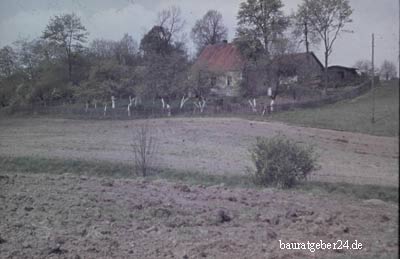
Lösungsansätze in der heutigen Zeit sind z. B. die Familienlandsitz-Siedlungen und Anastasia-Familienwohnsitze, ähnlich der Grundstücke, wie von unseren (meinen) Vorfahren, siehe Bild.
Die heutigen gesetzlichen Vorschriften, Normen, Bauvorschriften, Bauordnungen usw. dienen nicht nur zur Vereinheitlichung der Baukonstruktionen, sondern sie dienen zur Erstellung von toten Gebäuden und zur Kapitalbildung (Betongold), welche in der Regel auch eine finanzielle Abhängigkeit von den Banken bedeutet und in vielen Fällen auch zur Enteignung führen.
(Anmerkung: Gesetze und Strafen dienen zur Eingrenzung der unendlichen Vielfalt.)
Gesunde Wohnungen in lebendigen Gebäuden, welche eine Harmonie mit der Umwelt bilden, werden nicht mehr gebaut. In Deutschland erfüllen noch einige historische Gebäude diese Möglichkeiten, wenn sie noch nicht "modernisiert" und kaputt saniert wurden. Man muss aber seinem Haus Liebe geben, nur so erhält man Liebe und Schutz von seinem Haus für die Familie zurück.
Nur die Bauherren haben noch einen kleinen Spielraum, wie Sie richtig bauen können, damit Ihre Familien gesund wohnen können. Die ausführenden Baufirmen müssen sich an die unzähligen Verwaltungs- und Bauvorschriften halten, sonst kommen sie in die Haftung oder machen sich strafbar. Das gilt auch für ökologisch orientierte Architekten, welche nur noch einen sehr eingeengten Planungsspielraum haben.
Haben Sie sich schon oft gefragt, warum Sie ständig Kopfschmerzen haben, müde und gereizt sind? Einige der vielen Ursachen sind eine ungesunde Wohnung und Umwelt. In den Kapiteln ökologisch Bauen und Raumklima werden die ausgewählten Ursachen und Lösungen behandelt.
Der gegenwärtige Bautrend wird durch verschiedene wirtschaftliche Interessen bestimmt. Meistens wird das Argument "zum Schutz des Klimas" herangezogen. In Wirklichkeit schaden viele Maßnahmen unsere natürliche Umwelt und unsere Gesundheit, z. B. Windkraftmaschinen, eAutos usw. Anstatt ökologische und ökonomisch sinnvolle Häuser zu bauen und unsere Umwelt so wenig wie möglich zu schaden.
Die wirtschaftlichen Interessen finden sich in den Normvorgaben, in Gesetzen oder Verordnungen wieder. Hierzu braucht man nur die personelle Zusammensetzung der Kommissionen ansehen, welche die entsprechenden Dokumente erarbeiten.
In der Mehrzahl dienen diese Festlegungen einer kleinen Gruppe, aber nicht der Mehrheit der Bevölkerung. Die Abgeordneten sind in vielen Fällen fachlich überfordert und greifen auf die Vorlagen der Lobbyisten zu, ohne alle Einzelheiten und die Zusammenhänge zu verstehen. Die Medienlandschaft trägt zusätzlich zur Desinformation bei. Das aktuelle Beispiel ist die menschengemachte Klimaerwärmung. Nicht alle Meteorologen vertreten diese Politik des grünen Zeitgeistes.
Es geht nur noch um die möglichst positive Vermarktung einer angeblichen Alternativlosigkeit. Dies erfolgt natürlich zulasten der Mehrheit der Bevölkerung. Aber bedauerlich, begreift dies nur ein kleiner Teil der Bevölkerung.
Es gab in der Erdgeschichte immer Warm- und Kaltzeiten, lange bevor es den Menschen überhaupt gab. Der Einfluss des Menschen auf das Wetter ist gegenüber den natürlichen Einflussfaktoren unbedeutend klein. Wer sich vertiefend damit befassen möchte, kann den Vortrag "Zur Physik und Mathematik globaler Klimamodelle" von Prof. Dr. Gerlich studieren.
Im nach folgendem Beispiel wird der wirtschaftliche Unsinn bei einer falschen Bauausführung gezeigt. 2010 war dieses Hochhaus mit einer Fassadendämmung aus Polystyrol fast fertiggestellt. Die Brandriegel haben mit großer Sicherheit gefehlt. 9 Jahre später wurde die fertige Fassadendämmung komplett entfernt und durch eine Mineraldämmung ersetzt. Weshalb die Fenster wieder ausgebaut wurden, ist nicht bekannt.


In Deutschland beherrscht man diese Technologie noch viel besser. Das Einfamilienhaus aus Wandplatten 8 DF (der Ziegel ist 11,5 cm dick) mit seinen circa 10 cm dicken Polystyrolplatten könnte sicherlich ohne Fundamentplatte auch recht gut schwimmen. Es steht ohnehin nur wenige Meter neben dem Fluss Weiße Elster in Leipzig. Es gibt Energiesparhäuser, Passivhäuser, Plusenergiehäuser, Energieeffizienzhäuser und Nullenergiehäuser, welche auf einen Teil oder weitgehenden auf Heizungswärme verzichten. Es wird nicht lange dauern und es wird sehr viele Negativenergiehäuser geben. Dann produzieren die Häuser Heizungswärme allein durch die Körpertemperatur der Bewohner.

Die Energiewende erfolgt auf der Grundlage der Energie-Einspar-Verordnung EnEV, des Erneuerbare-Energien-Wärme-Gesetzes EEWärmeG, Energie-Einsparungs-Gesetzes EnEG und Gebäudeenergiegesetz GEG 2020. Diese Verordnung und Gesetze sollen einer Absenkung der CO2-Emissionen dienen und das Klima retten. Dafür werden die Bauherren oder die Hausbesitzer bei der Werterhaltung ihrer Immobilie mit hohen Mehrkosten belastet.
Bezogen auf den weltweiten CO2-Ausstoß liegt der Anteil auf dem Gebiet der BRD nach Berechnung von Rolf Schuster bei 2,4 %. 97 % der CO2-Entstehung ist natürlichen Ursprungs und 3 % werden durch den Menschen verursacht. Bei einer Reduzierung um diese 3 % ergibt dies eine weltweite CO2 Reduzierung von 0,00002808%, eine bedeutungslose Größe! (Bei einer gegenwärtigen CO2-Konzentration von 0,039 % ergibt dies eine Verringerung des CO2-Ausstoßes um (0,039 % x 2,4 %/100 x 3 %/100 = 0,00002808 %).
Um die Klimaschutzziele zu erfüllen, haben die Verbraucher viele Milliarden Euro aus ihren Taschen zu bezahlen.
Ein aktuelles Beispiel ist das Dieselfahrverbot (Frankfurt, Bonn, Köln, Stuttgart, Berlin und Hamburg November 2018), um den Ausstoß von Stickoxid zu reduzieren. Um die Stickoxidmenge einer Zigarette einzuatmen, müsste man 48 Stunden an einer stark befahrenen Straße stehen. Es geht hierbei um die Vernichtung der weltweit besten Technologien in Deutschland. (Hierzu ein Video von Prof. Dr. Hennig Zoz.)
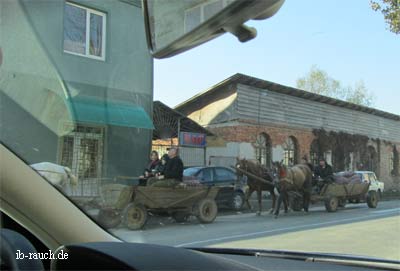
Der grüne Zeitgeist kann in Deutschland den Schadstoffausstoß reduzieren, was auch richtig ist. Aber der menschengemachte CO2-Anteil ist vernachlässigbar klein, siehe Artikel zu CO2. Gegenwärtig wird diese Reduzierung um das Vielfache von anderen Teilen auf dieser Erde wieder ausgeglichen. Bei uns in Transkarpatien wird die Einsparung problemlos wieder ausgeglichen (siehe Bilder). Nachfolgend auch ein Video zur Diesel-Lüge? Die Abgase des kleinen LKWs im nachfolgenden Bild sind bedeutungslos gegenüber den extrem großen Umweltbelastungen der Handelsschiffe auf den Ozeanen.

Natürlich kann man künftig den Transport mit diesen äußerst praktischen Pferdegespannen übernehmen. Die Pferde produzieren zwar keine Stickoxide, aber dafür atmen diese CO2 aus und kommen daher für Deutschland nicht infrage.
Der normale Bundesbürger bezahlt aus seiner Tasche die Profiteure der Energiewende, der Wind- und Solarparks über seine Stromrechnung. Zwar lässt sich unter dieser Situation für den Einzelnen kaum etwas ändern, aber ein paar Cent lassen sich über einen Vergleich an Stromanbieter einsparen, siehe hier auch die Tipps für den Bauherrn.
Aber es gibt noch weitere Profiteure. Das ist die Dämmstoffindustrie, Heizungsbauer und das Gesundheits- bzw. Krankheitswesen, welche an die kranken Bewohner Pillen verkaufen kann. Durch den Zwang, die gesetzlichen Vorschriften zu erfüllen, werden die Wohnungen, ob Neubau oder bei einer Renovierung, immer teurer. Zwangsläufig müssen die Miethöhen den laufenden Kosten angepasst werden. Hinzu kommen noch die zahlreichen Baumängel am Wohngebäude, welche zusätzliche Kosten verursachen. Man verwechselt das Bauen eines Hauses mit Feinmechanik.
Je einfacher die Konstruktionen sind, umso weniger Baumängel entstehen und so geringer sind die laufenden Wartungs- und Instandhaltungskosten.
Die richtige Energiewende sind z. B. Autos ohne Benzin und Akkus, in die Häuser werden Raumenergiekonverter aufgestellt, welche uns mit Strom und Wärme versorgen. Überlandleitungen werden überflüssig. Der Preis wird weniger 0,1 Ct/KWh betragen. Die Handys und Laptops werden mit haltbaren Endlosbatterien betrieben und es werden keine Ladegeräte benötigt. Aber dann verdienen zahlreiche Industrieunternehmen kein Geld mehr. Daher wird der Wohlstand aller Völker nur ein Traum bleiben und die Menschheit bewegt sich mit der gegenwärtigen Energiepolitik dem Abgrund der Selbstvernichtung zu oder eben nicht! Wie z. B. in Texas (USA) oder Moskau (Russland), wo bereits Teslatürme errichtet werden.

Sind in den Ballungszentren Wohnungsmieten einschließlich der steigenden Nebenkosten Luxus, so muss bereits heute ein Teil dieser Wohnungsmieter in preiswerte kleinere Wohnungen ausweichen. In den letzten Jahren hat die Schadstoffbelastung in den deutschen Wohnungen extrem zugenommen, wie z. B. die Schimmelpilzbelastung. Weshalb sich die Wohnungen zu krankmachenden Orten verwandeln, wird in den zahlreichen Artikeln auf dieser Webseite ausführlich erläutert.
Auf der Grundlage der DIN-Normen kann nur bedingt eine ökonomisch und baubiologisch sinnvolle Bauweise realisiert werden. Oft werden die DIN-Normen mit den Regeln der Baukunst verwechselt. Unsere alten Baumeister setzten ihr Wissen und die Jahrhunderte alte Erfahrung der Baukunst in die Praxis um. Damals konnte sich niemand Investitionsruinen leisten und die Gebäude sollten auch für die nächste Generation nutzbar bleiben. Dagegen wird heute für sehr kurze Nutzungszeiten gebaut, wo sich Investitionen nur sehr schwer rechnen. Besonders betrifft dies die Altbausanierung, wo mehrheitlich nur eine optische Aufwertung der Gebäudesubstanz erfolgt, wie es mehrheitlich bei der Sanierung der Mehrfamilienhäuser aus der Gründerzeit erfolgte.
Werden die gegenwärtigen gesetzlichen Forderungen zur Energieeinsparung erfüllt, so ist mehrheitlich keine Wirtschaftlichkeit gegeben. Die funktionelle und den Bestand erhaltene Renovierung wird dagegen aus kurzfristigen ökonomischen Interessen vernachlässigt.
Im Artikel Sanierung älterer Gebäude werden 3 Beispielen gezeigt, wie die Bauherren im Ausland aus alten Häusern ein schönes Wohnhaus entstehen kann. Ein Beispiel davon zeigt, wie der historische Bestand mit den Holzbalkendecken und ohne Wandputz geschickt mit dem modernen Komfort verbunden wird.
Von jedem Euro, der für die "Renovierung der Gebäude" ausgegeben wird, landen 54 Cent über Sozialabgaben und Steuern in die Kassen der "staatlichen" Versicherungen bzw. des Staates. Dies hat das Eduard Pestel Institut in Hannover nachgewiesen.
Der Arbeitskreis "Richtig Bauen" schreibt: Uns "drängt sich der Verdacht auf, dass die mit der Novellierung weiter wachsende Aufblähung des Gesetzes- und Verwaltungsapparates nur die Eigeninteressen der Administration und der begünstigten Lobbyisten bedient..." [1]
Damit wird sehr deutlich, dass unter dem Vorwand das Weltklima zu retten, der Staat in erster Linie seine Eigeninteressen im Auge hat.
Deshalb werden die Vorgaben für die "Gebäudesanierung" immer weiter verschärft. Wer nicht nach diesen gesetzlichen Vorschriften plant oder baut, macht sich strafbar und kommt in die Haftung. Ebenso sollen Hauseigentümer mithilfe der Androhung von Ordnungsgeld zur Renovierung der Häuser gezwungen werden. Pech für den Hauseigentümer, der darauf hereinfällt und die "Die Befreiung von den Anforderungen der Energieeinsparverordnung EnEV von Konrad Fischer" (www.konrad-fischer-info.de/7temp24.htm) nicht kennt. Diese dürften zurzeit noch gelten, wenn keine Wirtschaftlichkeit gegeben ist.
Heute ist das Auswandern ein aktuelles Thema. Wer nach Kanada auswandert (www.kanadaeinreise.de), muss mit Mietkosten von 300 CAD oder für ein luxuriöses Appartement bzw. für ein Haus sind bis zu 2.000 CAD einzuplanen. Der Erwerb eines eigenen Hausrd ist dann schon sinnvoll. Aber auch in anderen Ländern kann man wohnen. Unter Sydora - wohnen beschreiben wir unsere Erfahrungen in verschiedenen Ländern in Mitteleuropa und auf Djerba, wo wir gearbeitet und gewohnt hatten.
9. September 20023 Studien analysieren drahtlose 5G-Strahlungs-COVID-Verbindung
1. Juli 2023 Wissenschaft und Bauen
17. Juni 2023 Vorschläge zur Sanierung von gekauften älteren Wohngebäuden
16. Juni 2023 Immobilienpreis - Versteigerung - Makler und welchen Nutzen hat es für den Käufer!
7. Juni 2023 Die Rolle der KI und Bauwesen/Wohnung
7. Mai 2023 Wo kommt die Theorie der Scheibenwelt /Flache Erde her?
23. Februar 2023 Millionen Häuser und Wohnungen sanieren
6. Januar 2023 Was kostet ein Schimmelgutachter?
19. Dezember 2022 Der künftige Bautrend im Einklang mit der Natur
27. November 2022 Wie durch eine falsche Bauweise die Außenwand einstürzte!
20. November 2022 Die Grundsteuer - einfach einmal zum Nachdenken
Quelle:
[1] Schutzgemeinschaft für Wohnungseigentümer und Mieter e.V., 10. November 2012, Stellungnahme zur anstehenden Novellierung des Energieeinsparungsgesetzes (EnEG) und der EnEV
[2] Dr. Boris Uvaydov; Sekrety zhiteley khunzy, kotoryye zhivut po 120-160 let
[3] Dr. Tanja Karacuba; Fenomen naroda khunza
[4] Украина во мгле - перед рассветом. Светлой памяти Сергея Разумовского посвящается.
Zum Teil 2 Energiesparen und die Altbausanierung von Wohngebäuden.
© Bauratgeber24 | Bauideen | Partner | Referenzen | Datenschutz/AGB | Sitemap 2000 - 2023